.jpg)



Jaw pain is one of the most overlooked conditions we see.
Many patients don’t even realize they have it. They come in for headaches, facial discomfort, or tension — without connecting it to their jaw.
And yet, it’s often a key part of the problem.
The jaw plays a bigger role than most people expect. It’s involved in speaking, eating, and even how we hold tension in the body.
When something is off, it can lead to a range of symptoms:
– Headaches
– Facial pain
– Clicking or tightness in the jaw
– Difficulty chewing
– Even neck discomfort
One patient shared, “I was treating my headaches for months, but the real issue was my jaw.”
That realization can change everything.
TMJ-related issues are often connected to stress, clenching, alignment, or movement patterns that develop over time.
At Lea Medical Therapies, Dr. Dallas Lea evaluates how the jaw interacts with surrounding structures, including the neck and head. This broader perspective helps uncover connections that might otherwise be missed.
Once patients understand the source of their symptoms, treatment becomes more focused — and more effective.
“I didn’t realize how connected everything was,” is something we hear often.
If you’re experiencing ongoing headaches, facial tension, or jaw discomfort, it may be worth exploring further.
Sometimes the answer is closer than you think.

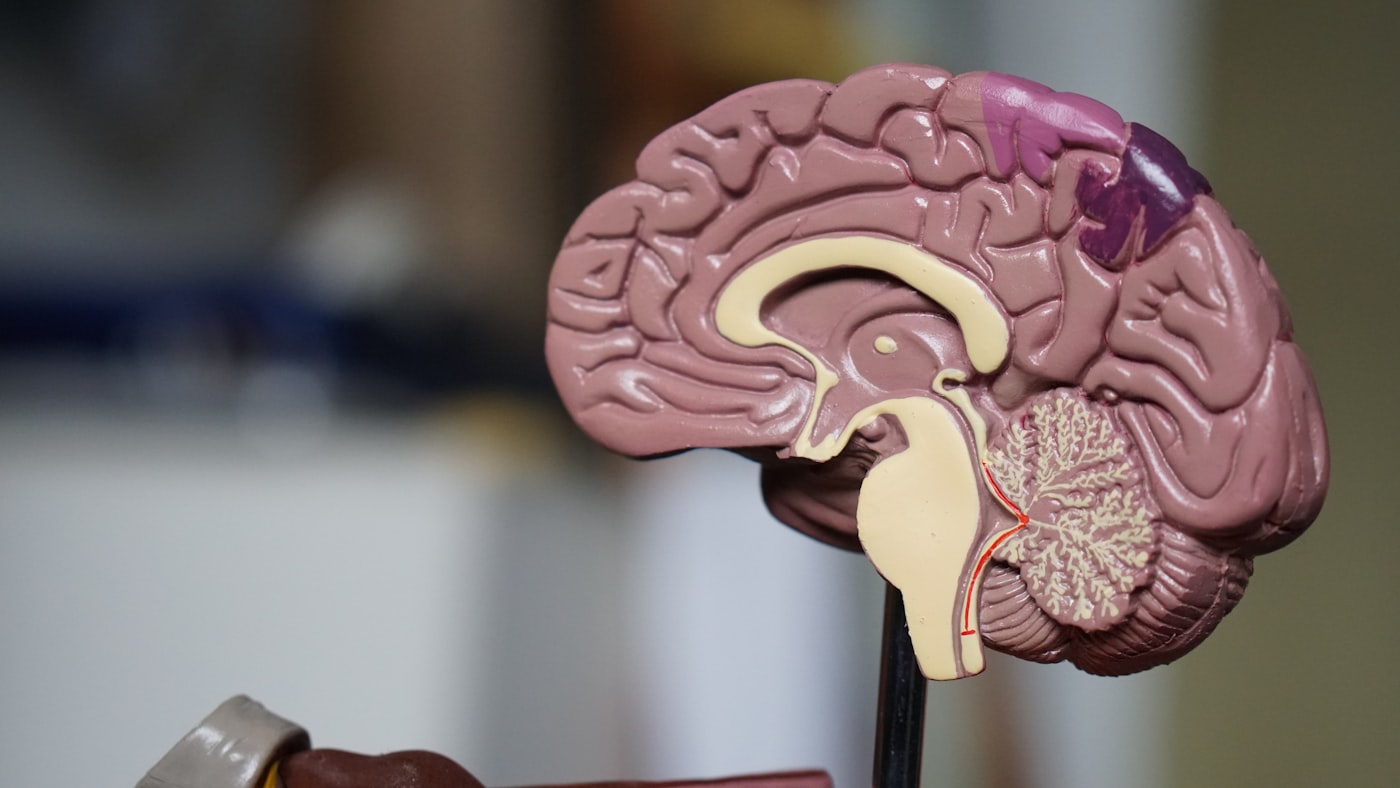
Most people assume headaches start in the head. But for a significant number of patients — especially those who also experience neck stiffness or pain at the base of the skull — the real source may be somewhere else entirely.
A cervicogenic headache is a headache that originates in the cervical spine — the upper portion of your neck. Unlike migraines or tension headaches, which are driven by neurological or muscular activity in the head itself, cervicogenic headaches are referred pain: the discomfort you feel in your head is actually being generated by structures in your neck.
The cervical spine contains joints, muscles, nerves, and ligaments that all have direct connections to the brain and head region. When any of these structures become irritated, compressed, or inflamed, they can send pain signals that the brain interprets as a headache.
This distinction matters enormously — because treating a cervicogenic headache the same way you would treat a migraine is unlikely to bring lasting relief.
Understanding where the pain actually starts is the first step toward treating it correctly. Many of my patients had been managing symptoms for years before we identified the cervical spine as the real source.
— Dr. Dallas Lea, Lea Medical TherapiesThe upper cervical nerves — particularly the C1, C2, and C3 nerve roots — converge in the brainstem alongside the trigeminal nerve, which is responsible for sensation across the face and head. This convergence means that irritation in the upper neck can produce pain that feels like it is coming from the forehead, temples, eye area, or the back of the skull.

The small joints between your cervical vertebrae can become arthritic, inflamed, or restricted. When the C2-C3 facet joint is affected, it commonly produces pain at the base of the skull that radiates toward the top of the head or behind the eye.
The suboccipital muscles — a small group at the base of the skull — are prone to developing trigger points. These tight, irritated spots can refer pain across the top of the head, mimicking a tension headache or migraine.
Degenerative disc disease or disc herniation in the upper cervical spine can compress nerve roots and produce both local neck pain and referred pain in the head.
Not every headache is cervicogenic, but these warning signs suggest your neck deserves a closer look:
If you recognize three or more of the signs above, it is worth speaking with a neurologist or rehabilitation specialist who can properly evaluate the cervical spine as a contributing factor. A thorough evaluation will include a physical examination of your neck, range of motion testing, and a detailed history of your headache pattern.
Cervicogenic headaches are treatable. Once the cervical spine is properly evaluated and identified as the source, a specialist can develop a targeted plan — which may include physical therapy, nerve blocks, or other interventions — that addresses the actual cause rather than the symptom.

At Lea Medical Therapies, evaluating a patient who presents with both neck pain and headaches begins with understanding the full picture: when the headaches started, whether they changed over time, what makes them better or worse, and how they relate to neck symptoms.
We look at posture, cervical range of motion, muscle tenderness, and neurological function. In some cases, imaging may be recommended to evaluate the discs and joints of the upper cervical spine. The goal is not simply to confirm a diagnosis — it is to build a treatment approach specific to you.
A consultation with Dr. Dallas Lea can help you find out — and give you a clear path forward.


.jpg)