.jpg)



Neck pain doesn’t always start as something serious.
It often begins with a little stiffness — maybe after a long day at work, poor posture, or even how you slept. Most people brush it off and expect it to go away on its own.
But sometimes, it doesn’t.
Neck discomfort can develop gradually. At first, it may feel like tension or tightness. Then it becomes harder to turn your head. Eventually, it may start affecting your shoulders, your back, or even cause headaches.
One patient told us, “I didn’t realize how much it was affecting me until I couldn’t ignore it anymore.”
That’s the challenge with neck pain — it builds slowly, and people adapt to it without realizing how much it’s impacting their daily life.
Sleep may be affected. Focus may decrease. Even simple movements can become uncomfortable.
Neck pain is not always just about muscles. It can involve alignment, nerve irritation, or patterns of movement that have developed over time.
At Lea Medical Therapies, Dr. Dallas Lea takes a comprehensive approach to evaluation. Instead of focusing only on where the pain is felt, the goal is to understand how and why it developed.
This allows for a more targeted and effective plan — one that supports not just temporary relief, but long-term improvement.
Patients often say, “No one explained it like this before.”
And that understanding makes a difference.
If neck pain has become something you’re “used to,” it may be worth asking why. Because living with ongoing discomfort doesn’t have to be the norm.

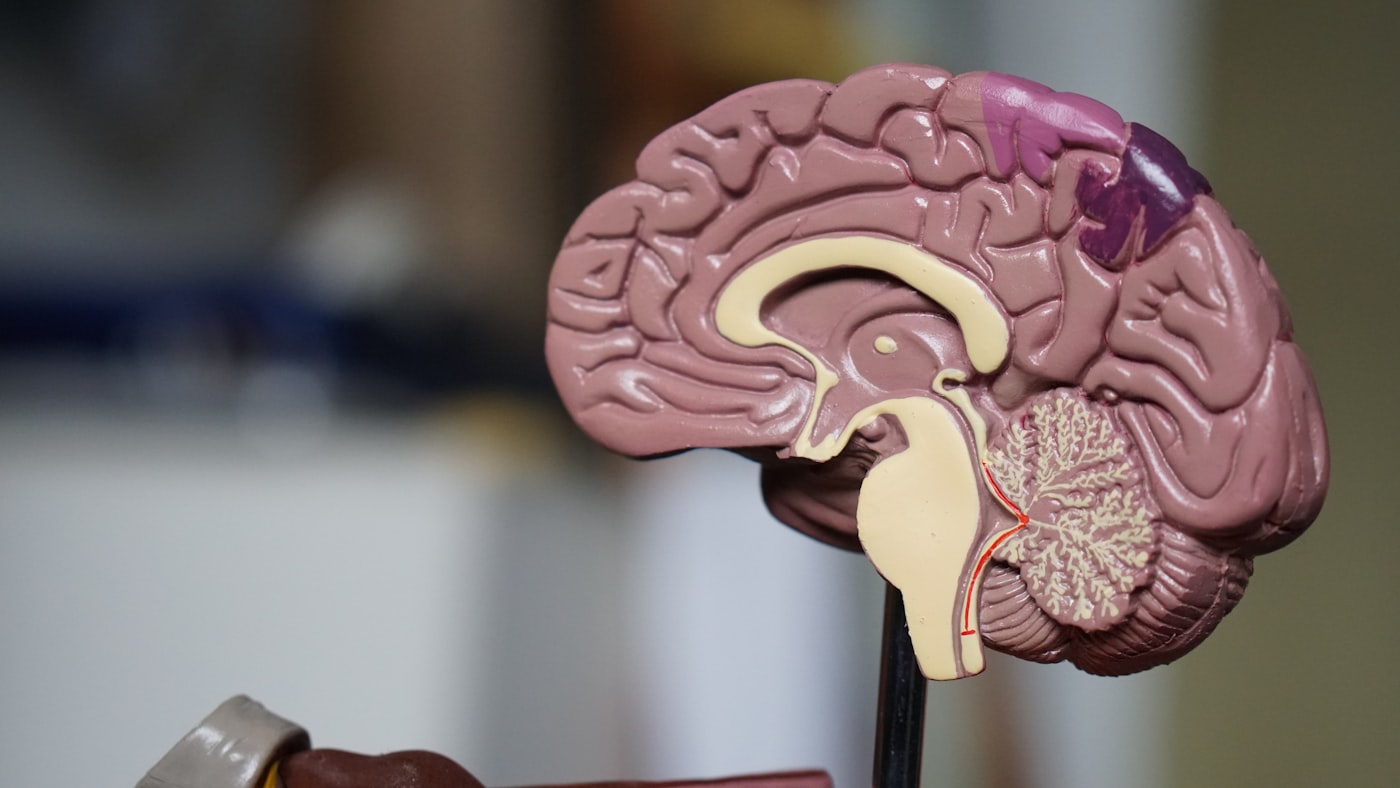
Most people assume headaches start in the head. But for a significant number of patients — especially those who also experience neck stiffness or pain at the base of the skull — the real source may be somewhere else entirely.
A cervicogenic headache is a headache that originates in the cervical spine — the upper portion of your neck. Unlike migraines or tension headaches, which are driven by neurological or muscular activity in the head itself, cervicogenic headaches are referred pain: the discomfort you feel in your head is actually being generated by structures in your neck.
The cervical spine contains joints, muscles, nerves, and ligaments that all have direct connections to the brain and head region. When any of these structures become irritated, compressed, or inflamed, they can send pain signals that the brain interprets as a headache.
This distinction matters enormously — because treating a cervicogenic headache the same way you would treat a migraine is unlikely to bring lasting relief.
Understanding where the pain actually starts is the first step toward treating it correctly. Many of my patients had been managing symptoms for years before we identified the cervical spine as the real source.
— Dr. Dallas Lea, Lea Medical TherapiesThe upper cervical nerves — particularly the C1, C2, and C3 nerve roots — converge in the brainstem alongside the trigeminal nerve, which is responsible for sensation across the face and head. This convergence means that irritation in the upper neck can produce pain that feels like it is coming from the forehead, temples, eye area, or the back of the skull.

The small joints between your cervical vertebrae can become arthritic, inflamed, or restricted. When the C2-C3 facet joint is affected, it commonly produces pain at the base of the skull that radiates toward the top of the head or behind the eye.
The suboccipital muscles — a small group at the base of the skull — are prone to developing trigger points. These tight, irritated spots can refer pain across the top of the head, mimicking a tension headache or migraine.
Degenerative disc disease or disc herniation in the upper cervical spine can compress nerve roots and produce both local neck pain and referred pain in the head.
Not every headache is cervicogenic, but these warning signs suggest your neck deserves a closer look:
If you recognize three or more of the signs above, it is worth speaking with a neurologist or rehabilitation specialist who can properly evaluate the cervical spine as a contributing factor. A thorough evaluation will include a physical examination of your neck, range of motion testing, and a detailed history of your headache pattern.
Cervicogenic headaches are treatable. Once the cervical spine is properly evaluated and identified as the source, a specialist can develop a targeted plan — which may include physical therapy, nerve blocks, or other interventions — that addresses the actual cause rather than the symptom.

At Lea Medical Therapies, evaluating a patient who presents with both neck pain and headaches begins with understanding the full picture: when the headaches started, whether they changed over time, what makes them better or worse, and how they relate to neck symptoms.
We look at posture, cervical range of motion, muscle tenderness, and neurological function. In some cases, imaging may be recommended to evaluate the discs and joints of the upper cervical spine. The goal is not simply to confirm a diagnosis — it is to build a treatment approach specific to you.
A consultation with Dr. Dallas Lea can help you find out — and give you a clear path forward.


.jpg)